Live · 3D
Orrery Space 3D Solar System
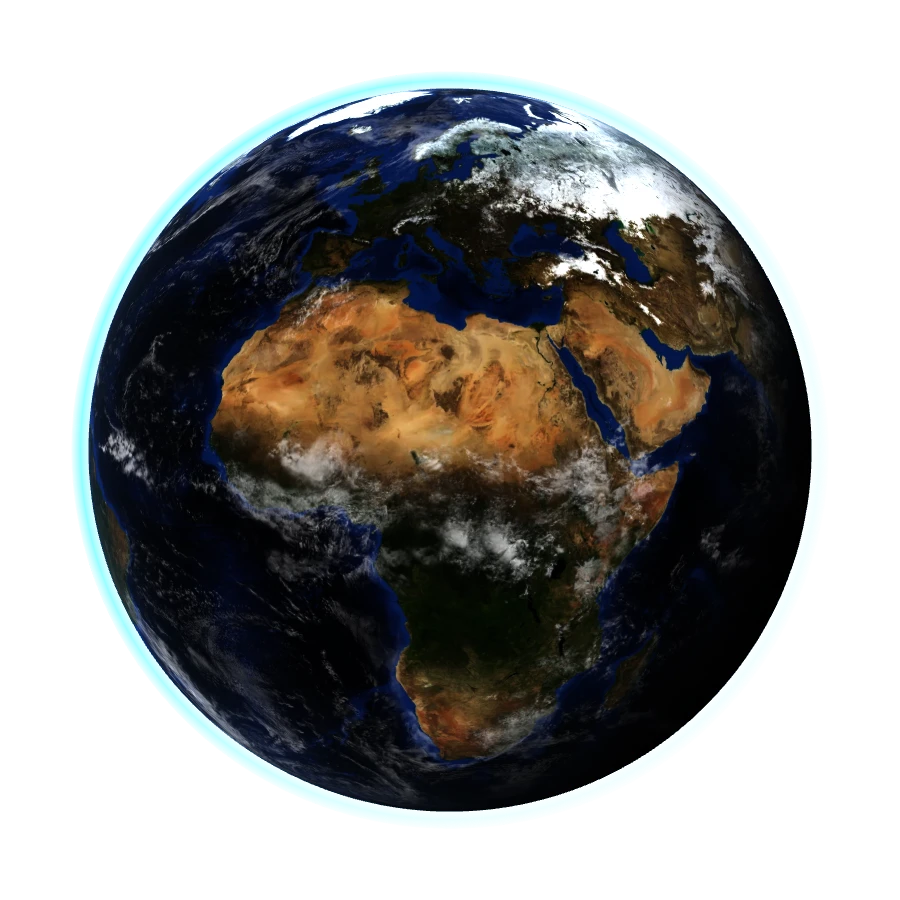
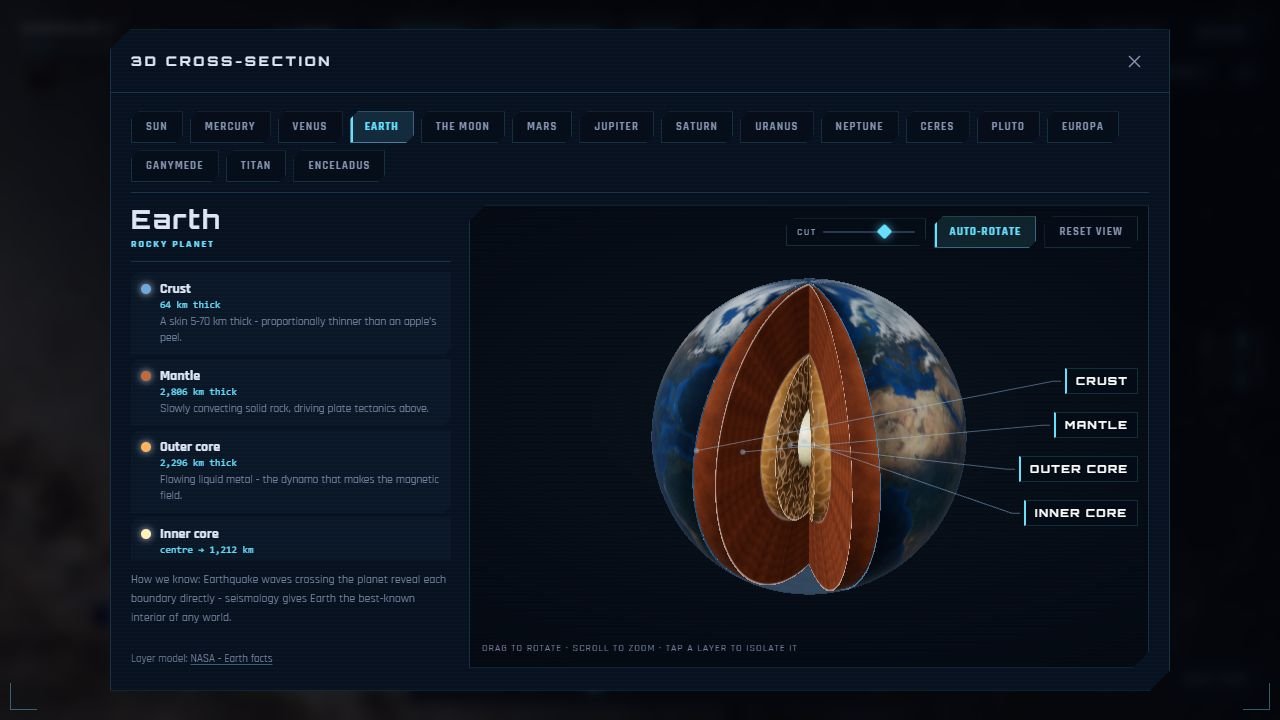
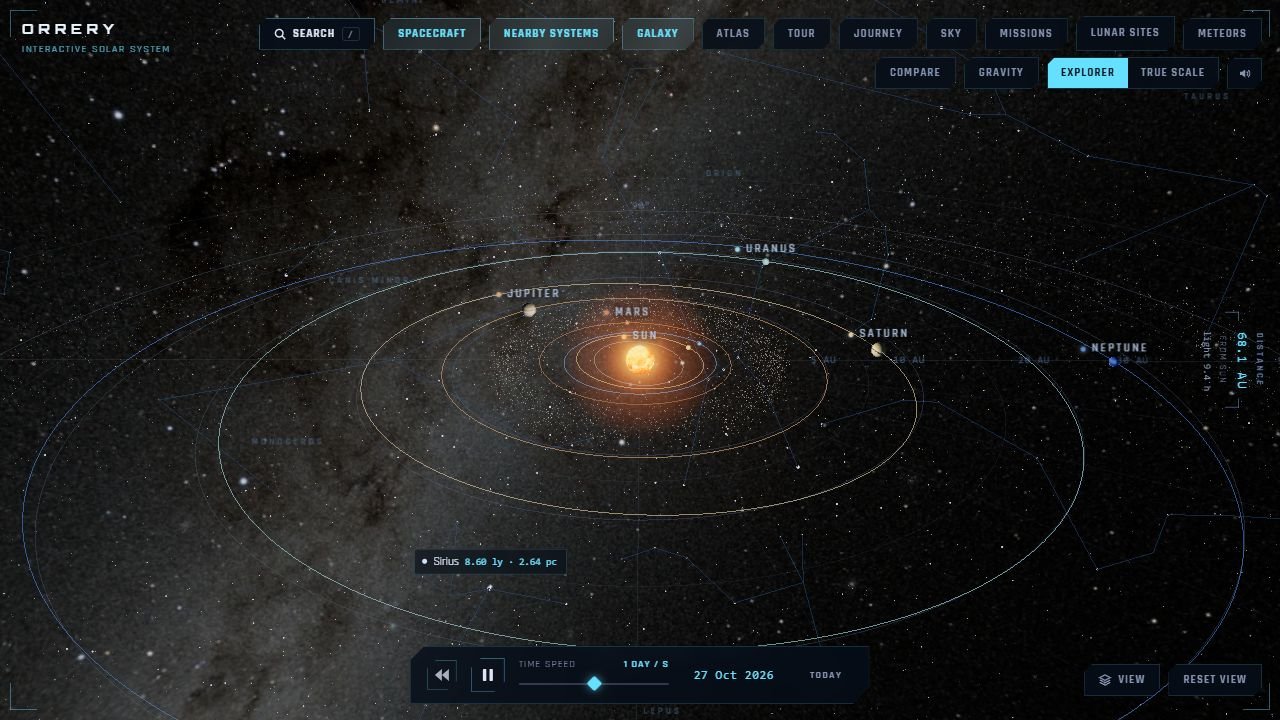
Planets, moons, asteroids, comets and dwarf worlds with NASA surface maps and mission history, at explorer or true scale. Galaxy mode reaches Sagittarius A*.
Open the 3D modelA free online orrery: the Solar System, the Milky Way and the stars next door, in 3D
Start Online 3D model“Earth is the cradle of humanity, but one cannot live in the cradle forever.”
Orrery Space is a free online orrery: a 3D model of the Solar System that runs in your browser. Fly between planets, moons, comets and dwarf worlds with real NASA maps and real orbits, then leave it all behind: cross the Milky Way to Sagittarius A*, or visit the stars next door.
We hope you have as much fun exploring the universe with Orrery Space as we had building it.
The Moon's phase, the planets you can see and the next meteor shower, worked out from Orrery Space's own orbits — with JavaScript on.
Want to know more about Orrery Space, where its numbers come from and who builds it? Find out more
Everything here is free and runs in the browser. New projects join this list as they ship.
Live · 3D
Planets, moons, asteroids, comets and dwarf worlds with NASA surface maps and mission history, at explorer or true scale. Galaxy mode reaches Sagittarius A*.
Open the 3D model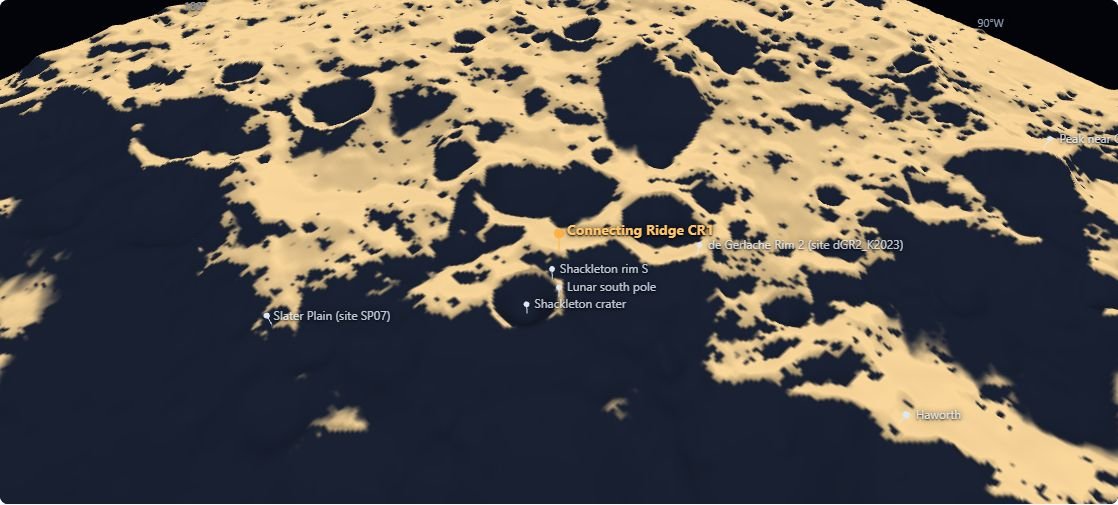
NASA Space Apps 2026
Pick a landing site near the Moon's south pole and a date: see its sunlight, solar power and line of sight to Earth, on a live-lit 3D map built from NASA's LOLA laser data.
Open the browser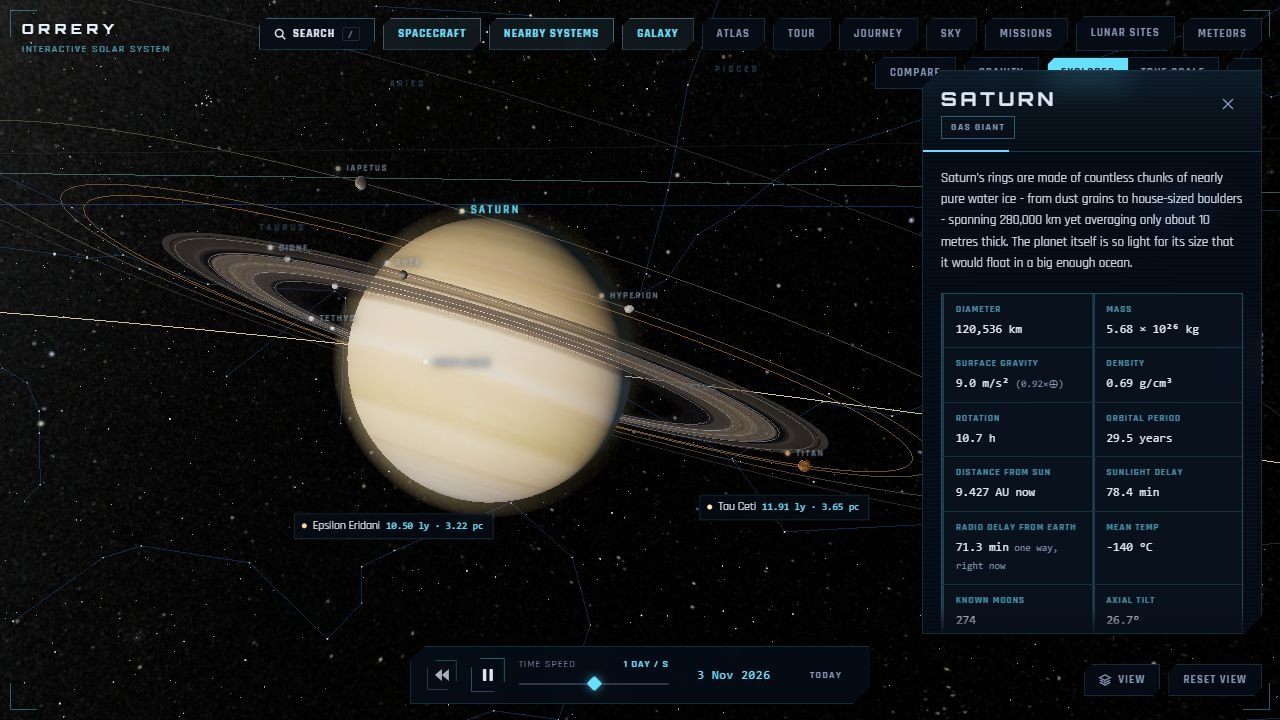
Read · 59 guides
A short guide to every planet, moon, comet and dwarf world in Orrery Space, with the facts and sources, readable on any device.
Browse the guidesNext
This page is where new projects will appear. Check the news below.
Orrery Space has no paywall and no sign-up, and it stays that way. If you like it, you can help:
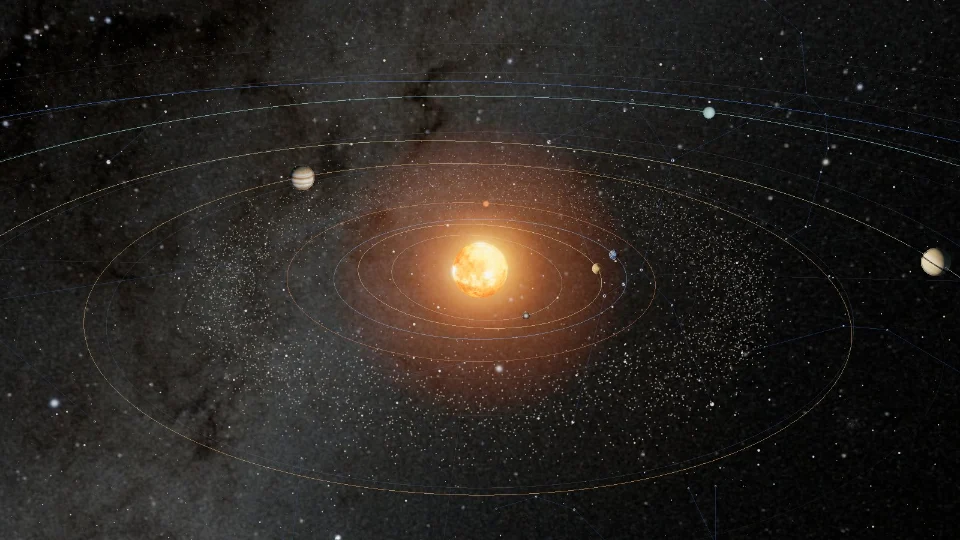
Fly between the planets, moons, comets and dwarf worlds, with NASA maps and real orbits, at explorer or true scale.
Checking compatibility…
Start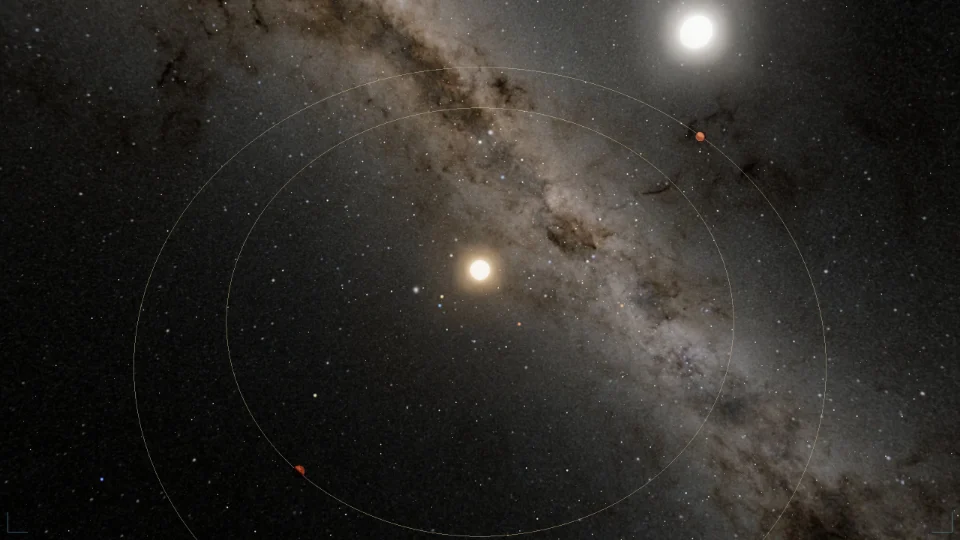
Visit the stars next door: Alpha Centauri, Barnard's Star, Sirius, Tau Ceti and more, with their known planets.
Visit the stars Read about 2,202 planetary systems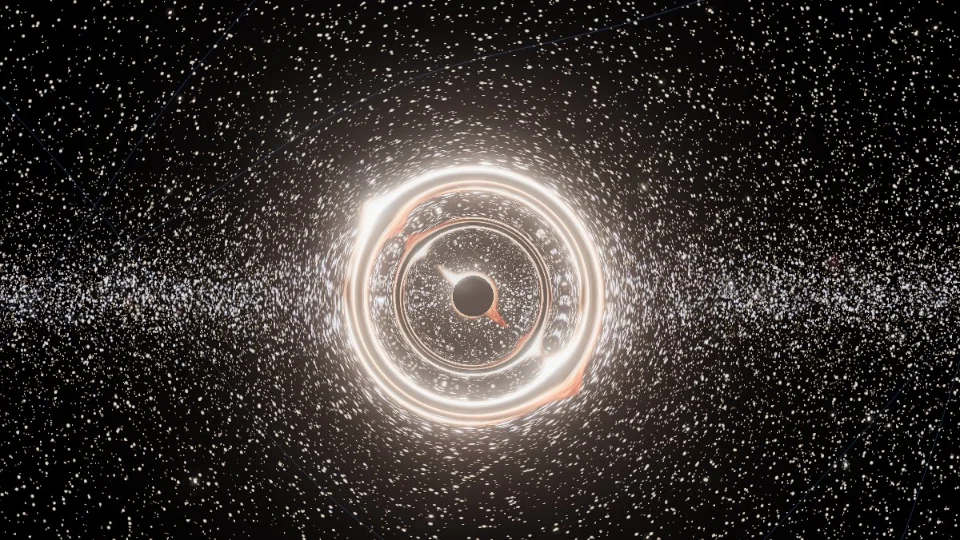
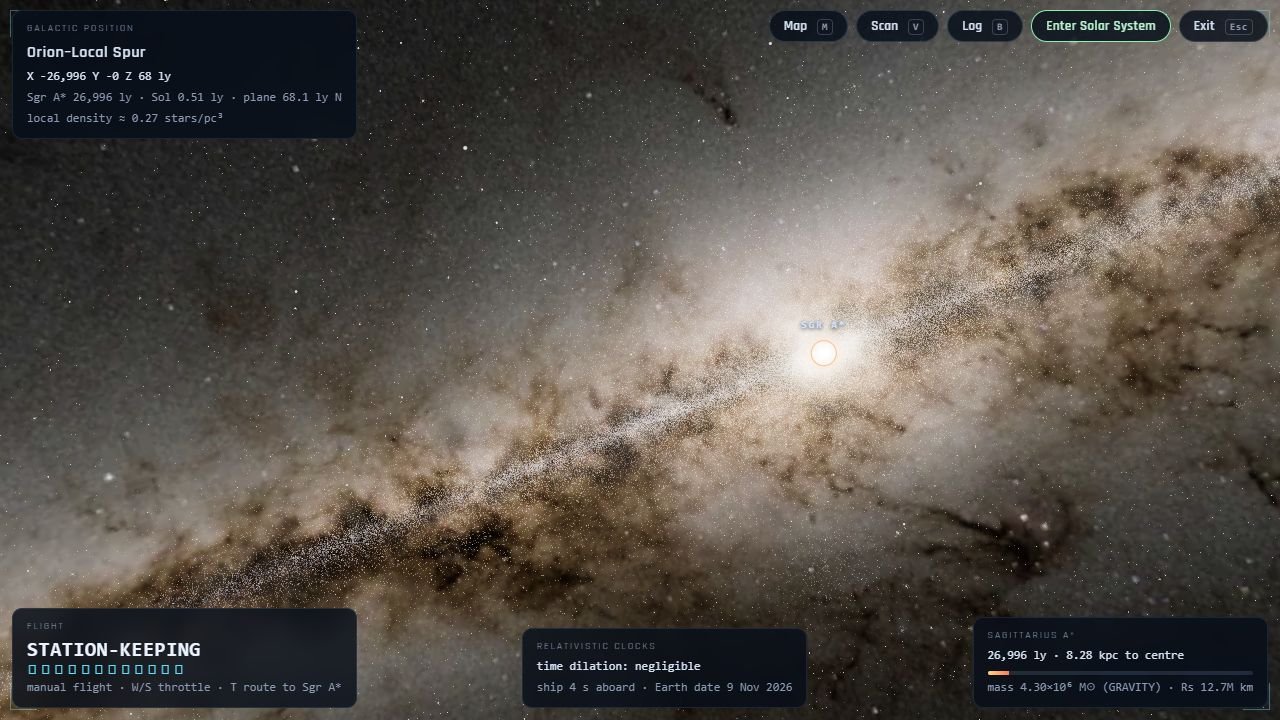
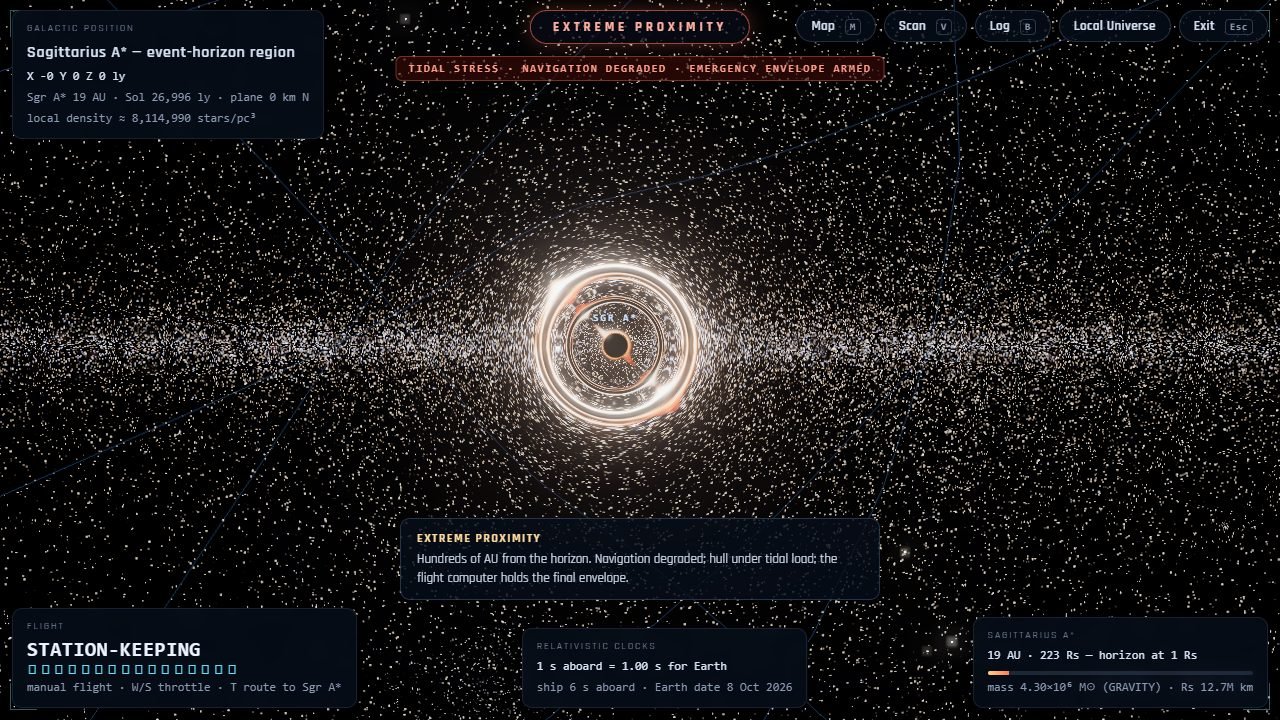
Cross the Milky Way to Sagittarius A*, 26,996 light-years away: 4.3 million Suns' worth of mass, with light bent around it. Then race the star S2 through its 2018 pass of the hole.
Go to Sagittarius A* Race the star S2We keep improving Orrery Space and adding new features, so this is the best space model we can make.
 Race the star S2
In May 2018 the star S2 swung past the Milky Way's black hole at about 7,650 km/s. Ride its real orbit and try to keep pace.
Race the star S2
In May 2018 the star S2 swung past the Milky Way's black hole at about 7,650 km/s. Ride its real orbit and try to keep pace.
For NASA Space Apps 2026 we built the Lunar Mission Browser: where can a lander at the Moon's south pole get sunlight and talk to Earth? It uses NASA's LOLA terrain, the Deep Space Network, and orbit maths checked against JPL Horizons, with more than 250 automatic checks.
Try: which site, which month? Join us at the Moon's south poleOrrery Space (orreryspace.com) is a free online orrery: a real-scale 3D model of the Solar System that runs in your browser, with the Milky Way, 4,728 known planetary systems and a planner for landings at the Moon's south pole.
An orrery is a model of the Solar System that shows the planets moving around the Sun. It is named after Charles Boyle, 4th Earl of Orrery, for whom one was built in the early 1700s. Orrery Space is an orrery for the browser: the planets move on their real orbits, for any date you choose. More about orreries.
Yes. There is no paywall, no account and nothing to install. It runs in a modern browser on a computer, tablet or phone.
The planets of Proxima Centauri, the closest star to the Sun, 4.2 light-years away. Proxima Centauri b orbits in the star's habitable zone. You can fly there in the 3D view's Nearby systems.
Webb orbits the Sun-Earth L2 point, about 1.5 million km beyond Earth, and goes round the Sun with Earth. The 3D Solar System shows where it is today.
The Lunar Mission Browser ranks fifteen candidate sites, including NASA's Artemis III regions, by hours of sunlight and of direct contact with Earth, for any thirty days from 2020 to 2050.
Orrery Space is built by Harsh Unagar. It began as a 3D Solar System and kept growing: the Milky Way and Sagittarius A*, the stars next door, guides to 59 worlds, and a Lunar Mission Browser for NASA Space Apps 2026.
Every number in Orrery Space has a source, and every approximation is labelled where you see it. The planets' surfaces are NASA and USGS maps; the orbits come from published elements; the Moon's terrain is LOLA laser altimetry.